Palmon: Survival
- 4.7
- Rating
- 5.00M
- Installs
- Free
- Price

 Analysis by App-foxy
I spent time with Palmon: Survival as a strategy game built around collecting creatures, fighting, and keeping a working settlement supplied. That combination gives it a more practical rhythm than a straightforward battle game: I was not only thinking about which Palmon to use, but also about what to gather, when to expand, and whether a risky trip was worth the possible reward.
My first impression was that the game is easiest to enjoy when I treat it as a series of small decisions rather than a race toward a final objective. A short session can involve preparing a team, checking what the settlement needs, going out to capture or fight, and returning with resources. That loop makes the game approachable for people who like strategy but do not want every moment to be a complicated spreadsheet.
It is free to download, aimed at players aged 10 and over, and comes from LILITH TECHNOLOGY HONG KONG LIMITED. The Android release requires version 8.0 or later. The current version is 0.5.193, so I would keep expectations realistic: the experience may continue to change as the game develops, and a current build is important if something feels different from older coverage.
You May Also Like

 Blood Strike: 2.5 Anniversary
Blood Strike’s Loadouts Turn Every Drop Into a Tactical Gamble
A close look at Blood Strike’s custom loadouts: how fast access to signature weapons reshapes its battle royale rhythm, rewards preparation, and narrows the gap between fights.

 Pandora - Music & Podcasts
Pandora’s Music Is Easy to Start, but Harder to Recover
Pandora’s strength is its low-effort path from a seed to a station. Its weak spot is how much confidence it asks you to place in connection, setup, and quiet recovery.

 8 Ball Pool
 Is Built on Rivalries, Rematches, and Routine
A close look at the rivalries, rematches, shared routines, and unanswered safety questions that turn a quick pool match into a persistent mobile community.

 Samsung Music
’s Quiet Strength Is Playing What You Already Own
Its reach comes less from spectacle than from dependable access to a personal library. That simplicity is both the app’s strongest retention engine and its ceiling.

 AccuWeather: Weather Radar
AccuWeather Review: A Quick, Clear Forecast for Everyday Decisions
For everyday plans, the best forecast is the one you can understand quickly. AccuWeather makes rain timing, radar, and local conditions easy to act on, with a few trade-offs.

 Hill Climb Racing
Why Hill Climb Racing Still Turns Crashes Into One More Run
A tiny car, a bumpy hill and one more upgrade: Hill Climb Racing keeps resurfacing because its simple chaos makes every near-miss feel personal.
More From Our News Desk



How the capture, fight, and farm loop feels in practice
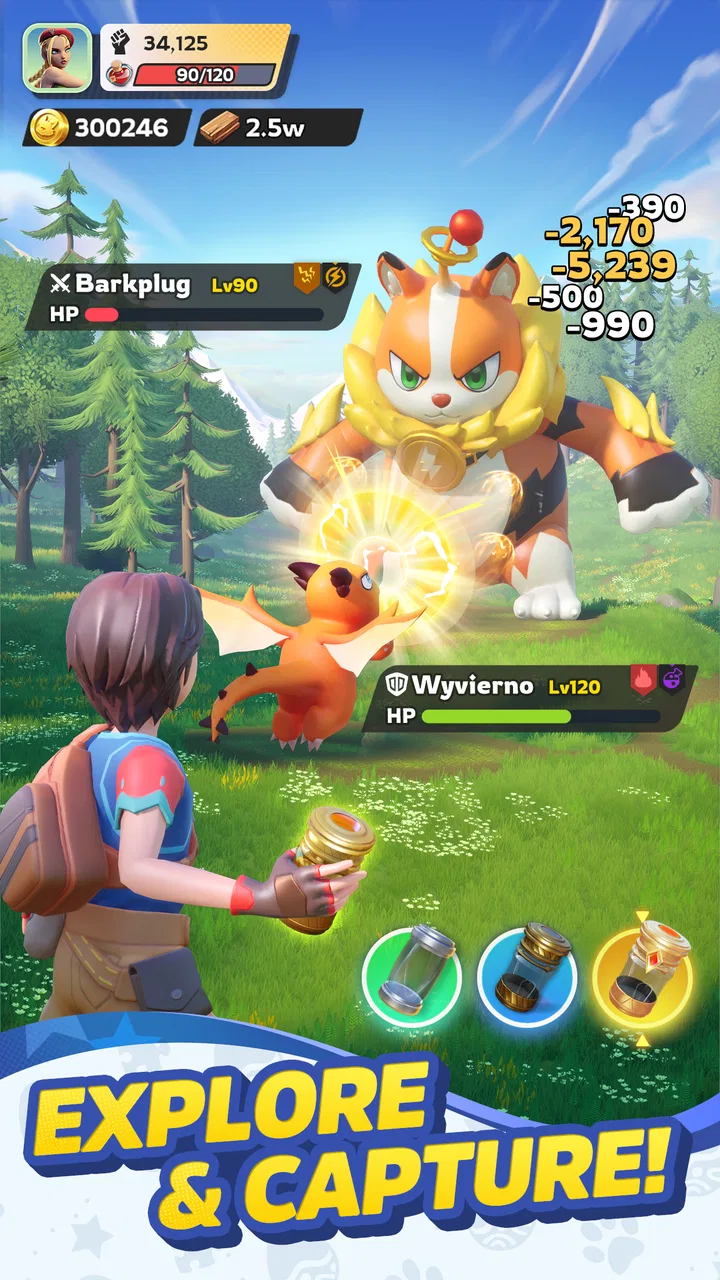
The strongest part of Palmon: Survival is the way its three central activities support one another. Capturing is not just a collection exercise, fighting is not isolated from the rest of the game, and farming is not merely a decorative side task. Each activity gives the others a reason to exist. I found that this made ordinary preparation feel meaningful, especially before heading into a more demanding encounter.
Capturing works best when I resist the temptation to grab everything immediately. A new Palmon can be exciting, but the useful question is whether it fits the needs of my current team and settlement. I learned to pause before replacing a familiar companion with a newly acquired one. A creature that looks promising may still require resources or a different approach before it becomes genuinely useful.
That is one of the more important decisions for new players: do not judge every capture only by how impressive it seems at first. I had better results when I considered the role it could play in my wider routine. A Palmon that helps me handle a particular kind of encounter, supports gathering, or makes a specific trip safer can be more valuable than one that simply appears stronger in a quick comparison.
Combat is more satisfying when I prepare for it instead of treating every battle as a test of reflexes. I prefer to check my available companions, make sure I have enough supplies, and think about the cost of failure before committing to an unfamiliar area. This preparation also gives the farming side a purpose. Gathering is not busywork if it prevents a promising expedition from ending early.
The farming and settlement work provide a welcome change of pace. After a tense fight or a long collection run, returning to improve the base gives me something calmer to do. I also like that this part of the game creates a natural stopping point. If I only have a few minutes, I can handle a small task instead of beginning a long adventure that I will have to abandon halfway through.
For an everyday example, I could play during a commute break by checking the settlement, assigning my attention to immediate needs, and making one short outing. Later, with more time available, I could use the results of that preparation for a longer capture or combat session. That flexibility is more useful than it sounds, particularly for players who do not want a game that demands a single uninterrupted block of time.
Small decisions that improve the early experience
My first practical tip is to avoid spending every available resource as soon as it appears. Keeping a reserve gives me room to respond when a fight goes badly or when a new Palmon changes my plans. Early progress feels smoother when I leave myself options instead of turning every upgrade into an immediate commitment.
My second tip is to use the settlement as a planning tool, not just a place to return to. Before leaving, I ask what the next trip is meant to accomplish. If I need a particular material, I focus the outing around that goal. If I am testing a new companion, I choose a safer activity rather than risking the entire run. This simple habit reduces aimless wandering and makes each session easier to evaluate.
A third useful habit is to separate experimentation from serious progress. I like trying a new Palmon when the consequences are manageable, but I do not mix that experiment with an important objective unless I have a backup plan. This is a small trade-off: cautious play can feel slower, yet it prevents one untested choice from wasting the preparation behind a larger expedition.
The game also benefits from a clear personal stopping rule. I often stop after completing one meaningful objective, such as securing a needed resource or improving the settlement. Without that limit, the collection-and-upgrade loop can encourage “one more trip” thinking. Players who are prone to losing track of time should decide in advance whether they are playing for a short task or a longer session.
Where progress can begin to feel pressuring
The same loop that makes the game engaging can also create pressure. When capture, combat, and farming are connected, falling behind in one area may make the others feel less comfortable. A player who rushes battles without maintaining the settlement can find later preparation more demanding. Conversely, someone who spends too long improving the base may feel ready on paper but underexposed to the risks of actual encounters.
I found the best balance by alternating activities rather than trying to perfect one system before touching the others. A little exploration informs the next settlement decision, while a modest improvement at home makes the next expedition safer. This approach feels less efficient than chasing a single upgrade, but it produces steadier progress and makes the game less repetitive.
There is also a psychological pressure attached to collecting. New Palmon naturally invite comparison, and that can turn a relaxed session into a constant search for something better. I recommend keeping a small working roster and giving each chosen companion a fair trial. Otherwise, the player can spend more time evaluating possibilities than actually enjoying the world.
For players who want a fast, clearly measured campaign, this structure may feel loose. Palmon: Survival is more comfortable for people who enjoy gradual improvement and making their own priorities. If you prefer a strategy game where every stage presents one sharply defined challenge, a more traditional level-based alternative may be a better fit.
Spending, fairness, and what I would watch closely
The game is free, but it includes in-app purchases ranging from $0.99 to $149.99 per item. That is the most important spending context for a new player. I would not begin by assuming that purchases are necessary, nor would I assume that they are irrelevant. Instead, I would play through the opening routine without buying anything and observe whether the normal pace feels comfortable for my own expectations.
That approach matters because “fair” can mean different things. A player who enjoys slow collection and careful planning may be satisfied with a free route even when optional purchases exist. Someone who wants to progress quickly, collect broadly, or avoid waiting may feel more pressure. The right question is not simply whether spending is present, but whether I can still make meaningful decisions without it.
I also recommend setting a personal budget before opening any purchase screen. The highest listed item is far beyond the kind of casual expense many players expect from a free mobile game, so I would treat it as a deliberate purchase rather than an ordinary extension of play. A smaller purchase can also become less small when repeated, especially during a frustrating stretch.
My fairness test is straightforward: can I enjoy the capture, fight, and farm cycle while choosing when to advance, rather than feeling pushed to pay whenever progress slows? During my assessment, I paid attention to that feeling more than to the existence of the shop itself. Optional spending is easier to accept when it remains optional in practice and does not replace the game’s core decisions.
I would be especially careful not to buy while tired, impatient, or trying to recover from a failed expedition. Those are the moments when a purchase can feel like a shortcut out of frustration rather than a considered choice. Closing the shop and returning after a break is a surprisingly effective way to tell whether I actually want an item or simply want the setback to disappear.
Is it suitable for competitive-minded players?
Players who approach strategy games competitively will probably ask whether spending changes the playing field. I would not make a firm claim beyond the purchase range itself. What I can say is that the presence of optional items means competitive-minded users should examine the game’s current progression carefully and decide whether they are comfortable with that environment.
If your enjoyment depends on every player advancing under nearly identical conditions, this may not be the safest first choice. A more self-contained strategy game with no purchases, or one built around a fixed upfront price, may offer a clearer sense of equality. Palmon: Survival is a better match for someone who values personal progression, collection, and settlement decisions more than proving that every account has followed the same route.
For casual competition with friends, I would establish expectations early. Agreeing not to compare progress directly, or simply treating the game as a shared discovery experience, can prevent spending differences from becoming the focus. That does not solve every fairness concern, but it keeps the social side centered on the creatures and the adventure rather than on who advanced fastest.
Questions I would answer before installing
Can I play without paying? Yes, the game itself is free to download, and I would begin without a purchase to judge the natural progression. The practical issue is not access but comfort: players who dislike any purchase pressure should decide whether the available free pace suits them before investing time.
Is it appropriate for younger players? Its content rating is Everyone 10+, so it is positioned for players aged ten and above. I would still involve a parent or guardian when purchases are possible, particularly because the available item range includes a very high-priced option. The age label answers the content question, while spending supervision is a separate consideration.
Will it run on an older Android phone? The minimum requirement is Android 8.0, which covers many older devices, but the operating-system requirement alone does not tell me how smoothly every phone will perform. I would keep the game updated and avoid judging it solely from another player’s device experience.
Is it better than a conventional strategy game? That depends on what you want from the genre. I prefer Palmon: Survival when I want strategy mixed with creature collection and a personal settlement. If I want tightly scripted missions, a purely competitive battlefield, or a strategy game with no purchase layer, I would look elsewhere. Its appeal comes from the blend, not from replacing every other style of strategy game.
Does the high rating guarantee that I will enjoy it? The game has an average rating of 4.8 from around 121 thousand ratings, with about 2.4 thousand written reviews, and it has passed one million installs. Those figures show strong interest and broad approval, but they cannot predict whether I will like its slower preparation, collection decisions, or spending structure. I would use them as encouragement to try it, not as a substitute for matching the game to my habits.
My trust verdict after weighing the trade-offs
Palmon: Survival works for me because it gives ordinary preparation a purpose. Capturing leads into team decisions, fighting creates reasons to gather, and farming makes the return journey feel productive. The result is a strategy game with a gentle survival flavor, suited to players who enjoy building momentum instead of completing one isolated challenge after another.
Its limitations are just as clear. The connected systems can make progress feel slower than in a direct battle game, and the collection loop may encourage constant comparison between companions. The free-to-play structure also deserves attention because purchases run from $0.99 to $149.99 per item. I would not recommend starting with a purchase, especially if you are unsure whether the game’s pace will suit you.
I would recommend it to someone who likes creature collecting but wants more to do than assemble a roster. It is also a good option for a player who enjoys switching between short settlement tasks and longer expeditions. The game is less suitable for anyone seeking a completely purchase-free environment, a tightly balanced competitive contest, or a fast strategy experience with minimal preparation.
My most reliable way to approach it is to play slowly, keep a reserve of resources, test new Palmon in low-risk situations, and set a spending boundary before the shop becomes tempting. Those habits let the interesting decisions stay at the center. They also make it easier to notice whether the game is genuinely fun for me or whether I am only chasing the next upgrade.
Overall, I see it as a promising choice for relaxed strategy sessions built around capture, combat, and settlement growth. The strong reception is encouraging, and the current 0.5.193 version gives the game a clear point of reference for new players. I would try it free first, keep my expectations measured, and recommend it most confidently to friends who enjoy gradual progress and are comfortable making their own rules around optional spending.
FAQs for Palmon: Survival
01What is Palmon: Survival about?
Palmon: Survival is a thrilling adventure game where players must navigate a hostile environment, gather resources, and build shelter to survive. The game challenges players with dynamic weather conditions, diverse wildlife, and the need to craft tools and weapons to thrive in a lush, yet dangerous world.
02Is Palmon: Survival available on both Android and iOS?
Yes, Palmon: Survival is available for download on both Android and iOS platforms. The game is optimized to provide a smooth and immersive experience on a wide range of devices, ensuring that players can enjoy the survival adventure regardless of their mobile platform.
03Does Palmon: Survival require an internet connection to play?
Palmon: Survival can be played offline, allowing users to enjoy the game without an active internet connection. However, certain features like leaderboards, updates, and some in-game purchases may require internet access to function properly.
04Are there any in-app purchases in Palmon: Survival?
Yes, Palmon: Survival offers in-app purchases that enhance the gaming experience. Players can buy resources, exclusive items, and cosmetic upgrades. While these purchases can facilitate progress and customization, they are entirely optional and not necessary to enjoy the core game.
05What age group is Palmon: Survival suitable for?
Palmon: Survival is designed for players aged 12 and up due to its mild violence and survival themes. The game offers engaging content that encourages strategic thinking and resource management, making it suitable for teenagers and adults who enjoy adventure and survival challenges.
Pros
- Engaging survival mechanics keep players hooked.
- Beautiful graphics enhance the immersive experience.
- Diverse character customization options available.
- Frequent updates add new content and fixes.
- Intuitive controls make gameplay accessible.
Cons
- Requires constant internet connection to play.
- High battery consumption during extended sessions.
- In-game purchases can be costly.
- Occasional lag on older devices.
- Limited offline content availability.

Palmon: Survival
Gallery